



Potential meets the right space
The Challenge
Imperial College needed private spaces where neurodiverse students could retreat, recharge, and resume academic work with environmental control, creating a setting that supports focus, regulation, and academic confidence.
92%
of neurodiverse students report improved academic performance
→ Why Kabin
→ The Impact
→ Next Steps
The Equity Gap in Learning Environments
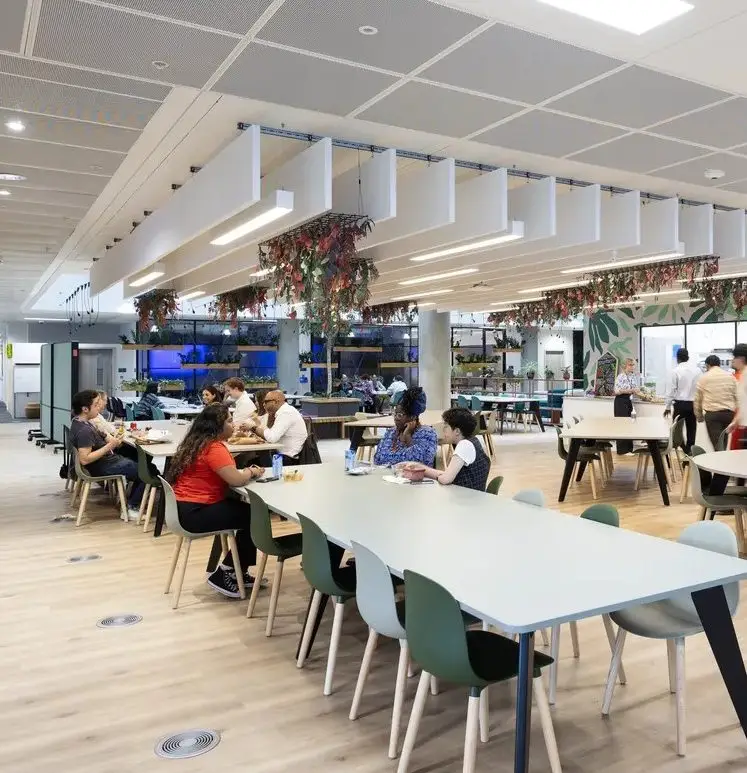
What was happening: Despite excellent facilities, many students were underperforming- not due to ability, but due to environmental incompatibility.
- Sensory overload in open study areas
- Inability to filter background noise and visual stimulation
- Existing “quiet zones” still had too much sensory input
- No spaces for emotional regulation when overwhelmed
- Students avoiding campus (studying from home where they had control)
The Need: An environment that allows students to focus, regulate, and reach their full potential without sensory barriers.
The potential was there. The environment wasn't.
“We weren’t lowering standards. We were removing barriers.”
The Kabin Difference
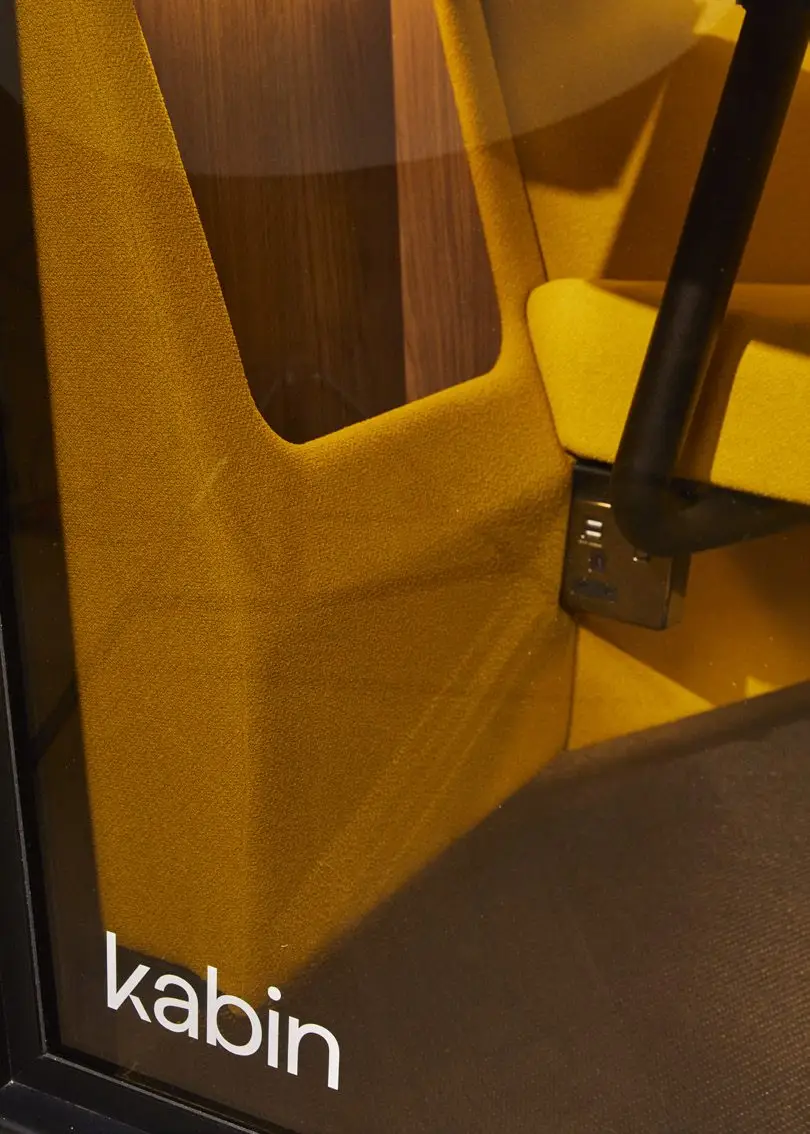
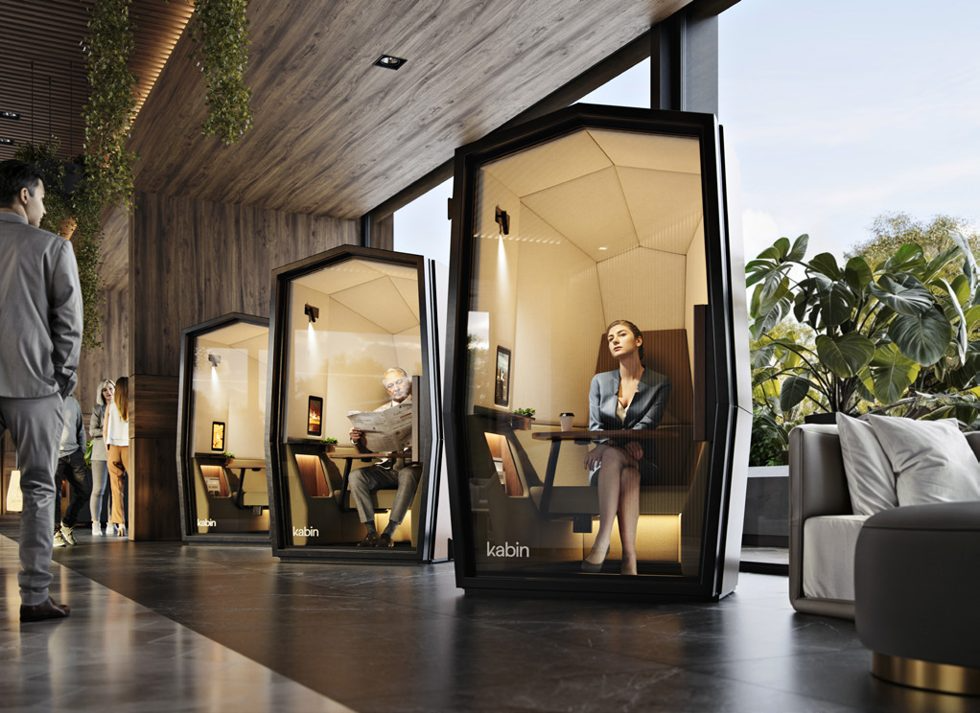
Genuine Sensory Control – Individual adjustment of lighting, ventilation, sound. Full enclosure eliminates visual overstimulation.
Private Without Isolation – Located on campus, maintaining a sense of belonging. Not a “special needs room.”
Suitable for Extended Sessions – 2-3 hour study sessions. Supports dissertation writing, exam prep, complex problem sets.
Dignity by Design – Doesn’t look medical. Using Kabin doesn’t announce “I need help”- it just means “I’m working.”
Standards aren’t lowered. Barriers are removed.
Measured and Felt
What changed:
The Complete Story
“I spent my first year searching for quiet spaces on campus because sensory overload made studying impossible. I’d go home exhausted before I could even start an assignment.
Now I use a Kabin for my hardest work. I can control the lighting when I’m getting overwhelmed- I usually dim it for reading and brighten it when I’m writing. The ventilation keeps me from feeling trapped. And the quiet- the actual quiet- lets my brain actually process what I’m reading.
My grades went up a full classification. First year I got a 2:2. Second year, after discovering Kabin, I got a First. Same brain, same ability, different environment.
The potential was always there. I just needed the right environment to show it.”
– Student, Imperial College London
“When you provide environmental choice, you're not lowering standards. You're creating equity.”
The Expansion
Initial: 2 units → Booking waitlist within first week
Current: 6 units → Essential infrastructure, included in campus tours
Cultural Shift: Kabin usage destigmatized the need for quiet, controlled environments. Students now advocate for “Kabin access” as standard campus feature.
The Reality
You recruit brilliant, diverse minds. But if your environment only supports one type of nervous system, you’re not seeing everyone’s true capability.
“Kabin: performance sanctuary”
Why Educational Institutions Choose Kabin
- Removes architectural barriers to performance
- Student wellbeing
- Flexible infrastructure
- Cost-effective vs. building renovation
- Revenue generation
- Measurable outcomes: improved grades, engagement
Do Your Spaces Support All Students?
Can neurodiverse students access controlled environments?
Do introverted students have places to recharge on campus?
Does your campus offer environmental choice or one-size-fits-all?
Next Steps
Schedule a Consultation
Experience Kabin
Custom Design
Installation Planning
Timeline and placement strategy for your space
Potential meets theright space
The Challenge
Imperial College needed private spaces where neurodiverse students could retreat, recharge, and resume academic work with environmental control, creating a setting that supports focus, regulation, and academic confidence.
Why Kabin
The Impact
Next Steps
The Equity Gap in Learning Environments
What was happening: Despite excellent facilities, many students were underperforming- not due to ability, but due to environmental incompatibility.
- Sensory overload in open study areas
- Inability to filter background noise and visual stimulation
- Existing "quiet zones" still had too much sensory input
- No spaces for emotional regulation when overwhelmed
- Students avoiding campus (studying from home where they had control)
The Need: An environment that allows students to focus, regulate, and reach their full potential without sensory barriers.
The potential was there. The environment wasn't.
“We weren't lowering standards. We were removing barriers.”
The Kabin Difference:
Genuine Sensory Control - Individual adjustment of lighting, ventilation, sound. Full enclosure eliminates visual overstimulation.
Private Without Isolation - Located on campus, maintaining a sense of belonging. Not a "special needs room."
Suitable for Extended Sessions - 2-3 hour study sessions. Supports dissertation writing, exam prep, complex problem sets.
Dignity by Design - Doesn't look medical. Using Kabin doesn't announce "I need help"- it just means "I'm working."
Standards aren't lowered. Barriers are removed.
Measured and Felt
What changed:
The Complete Story
"I spent my first year searching for quiet spaces on campus because sensory overload made studying impossible. I'd go home exhausted before I could even start an assignment.
Now I use a Kabin for my hardest work. I can control the lighting when I'm getting overwhelmed- I usually dim it for reading and brighten it when I'm writing. The ventilation keeps me from feeling trapped. And the quiet- the actual quiet- lets my brain actually process what I'm reading.
My grades went up a full classification. First year I got a 2:2. Second year, after discovering Kabin, I got a First. Same brain, same ability, different environment.
The potential was always there. I just needed the right environment to show it."
- Student, Imperial College London
“When you provide environmental choice, you're not lowering standards. You're creating equity.”
The Expansion
Initial: 2 units → Booking waitlist within first week
Current: 6 units → Essential infrastructure, included in campus tours
Cultural Shift: Kabin usage destigmatized the need for quiet, controlled environments. Students now advocate for "Kabin access" as standard campus feature.
In Reality
You recruit brilliant, diverse minds. But if your environment only supports one type of nervous system, you're not seeing everyone's true capability.
Why Educational Institutions Choose Kabin
- Removes architectural barriers to performance
- Student wellbeing
- Flexible infrastructure
- Cost-effective vs. building renovation
- Revenue generation
- Measurable outcomes: improved grades, engagement
Do Your Spaces Support All Students?
Can neurodiverse students access controlled environments?
Do introverted students have places to recharge on campus?
Does your campus offer environmental choice or one-size-fits-all?